
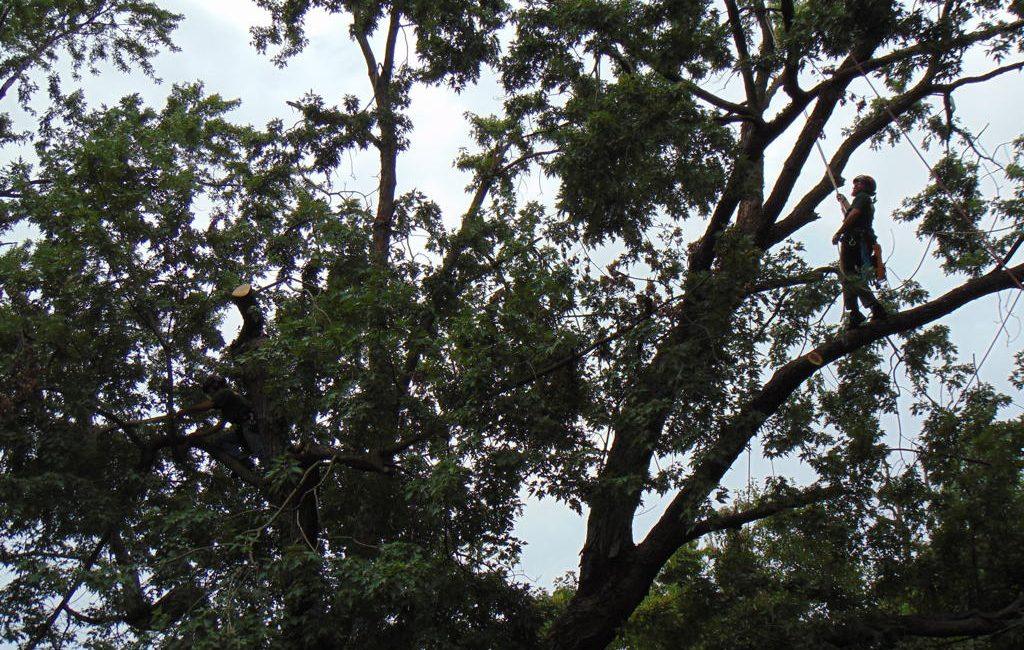
A leaning tree is not automatically a dangerous tree. Some trees develop a gradual lean as they grow toward sunlight, while others lean after wind, storms, soil movement, or root damage. The important question is whether the lean is stable or represents a recent change in the tree's structure.If your...
What to Do If a Tree Falls on Your House
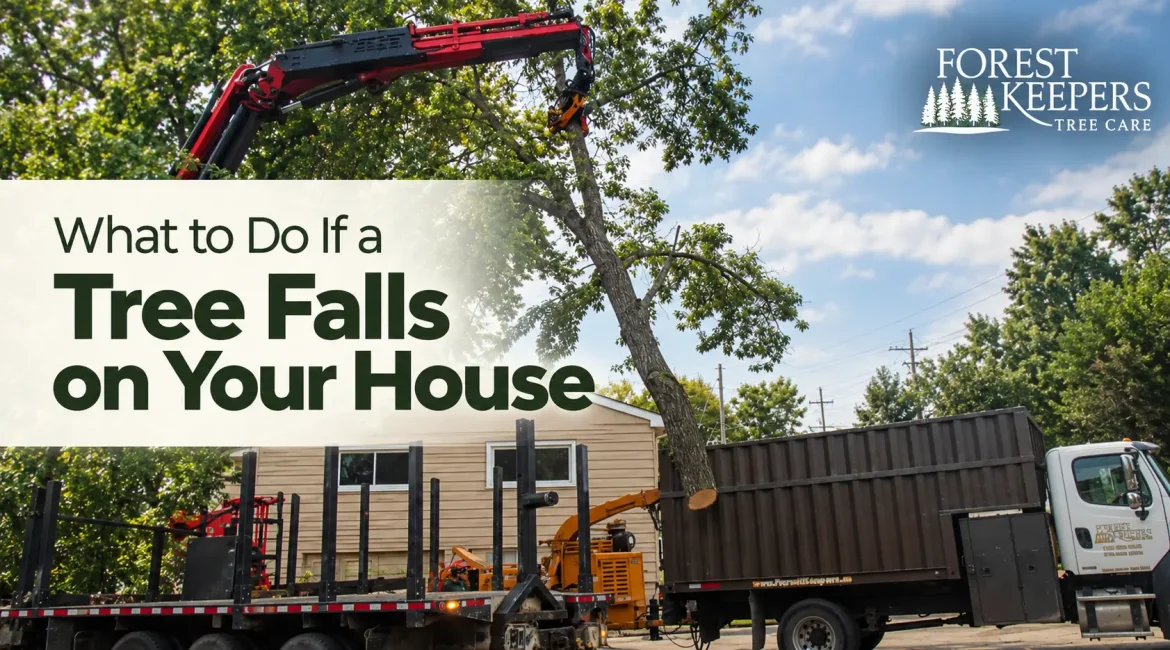
If a tree falls on your house, the first priority is keeping everyone safe. Move people and pets away from the damaged area, watch for downed power lines, gas odors, fire, or signs of structural movement, and call emergency services if there is an immediate danger. Do not climb onto...
What to Do After Stump Grinding: How to Restore Your Yard
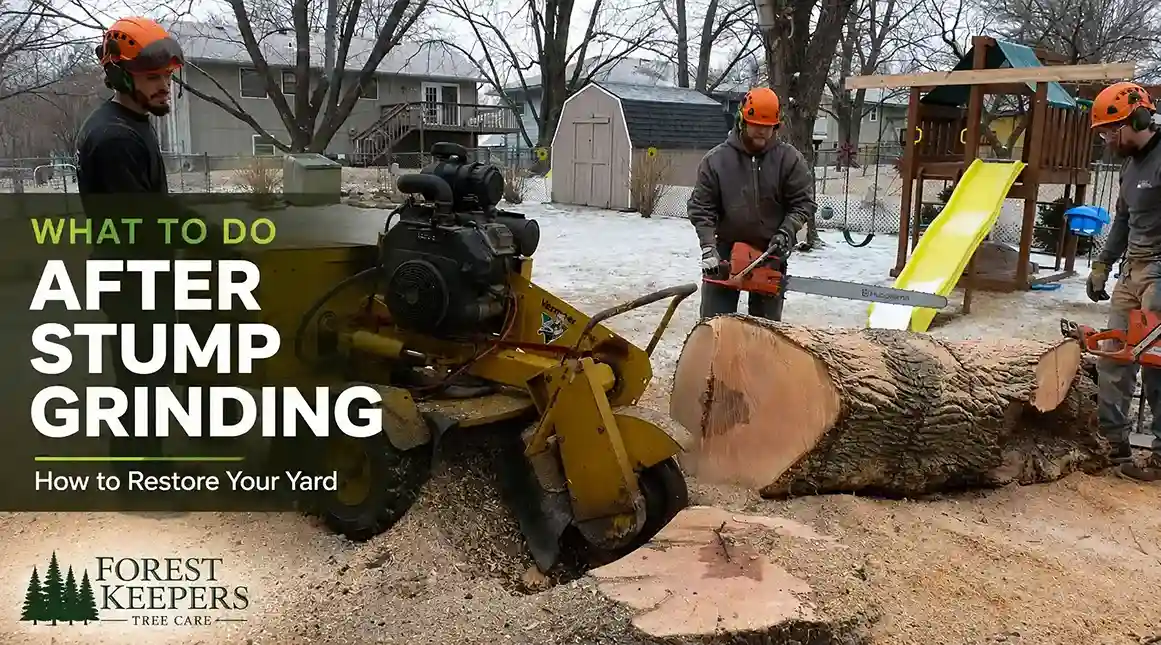
After stump grinding, you are usually left with more than an empty spot in the yard. Wood chips, sawdust, a shallow hole, bare soil, and underground roots can all remain. Knowing what to do after stump grinding helps you prepare the area properly, whether you plan to grow grass, add...
Signs of Tree Root Damage: What Lawrence Homeowners Should Know
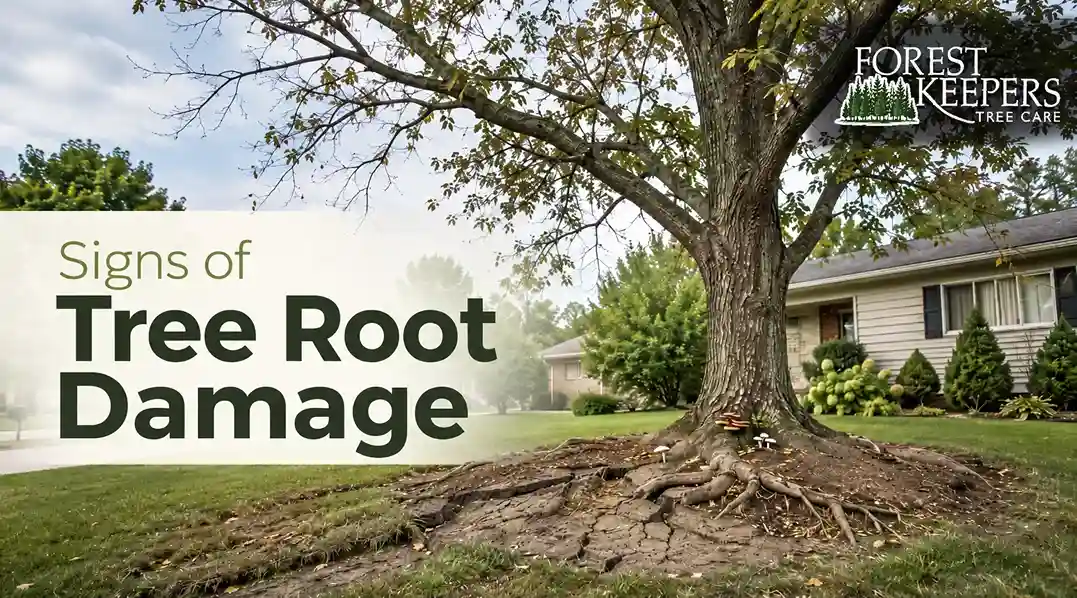
Root damage is not always visible below the soil. The first signs of tree root damage may appear as thinning leaves, branch dieback, mushrooms near the trunk, lifting soil, or a sudden change in the tree’s stability.One symptom alone does not confirm root damage because drought, insects, disease, and other...